
Marina Cap Cana’s connection to the sea extends far beyond its docks.
As a catch-and-release marina, Marina Cap Cana protects the billfish that make these waters a remarkable sportfishing destination. But responsible fishing goes beyond releasing a marlin. It also requires support for the people and resources that sustain these waters and the communities connected to them.
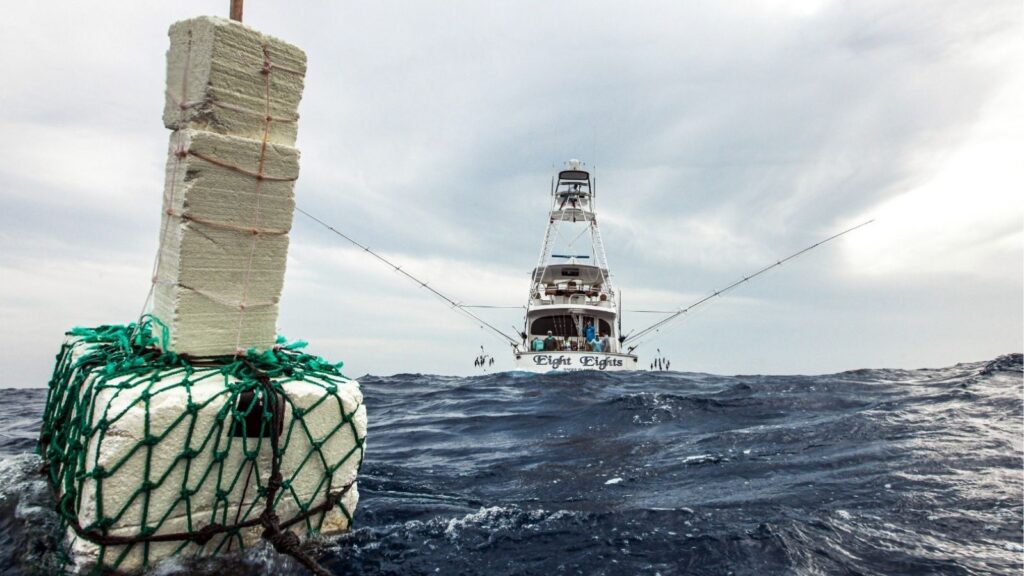
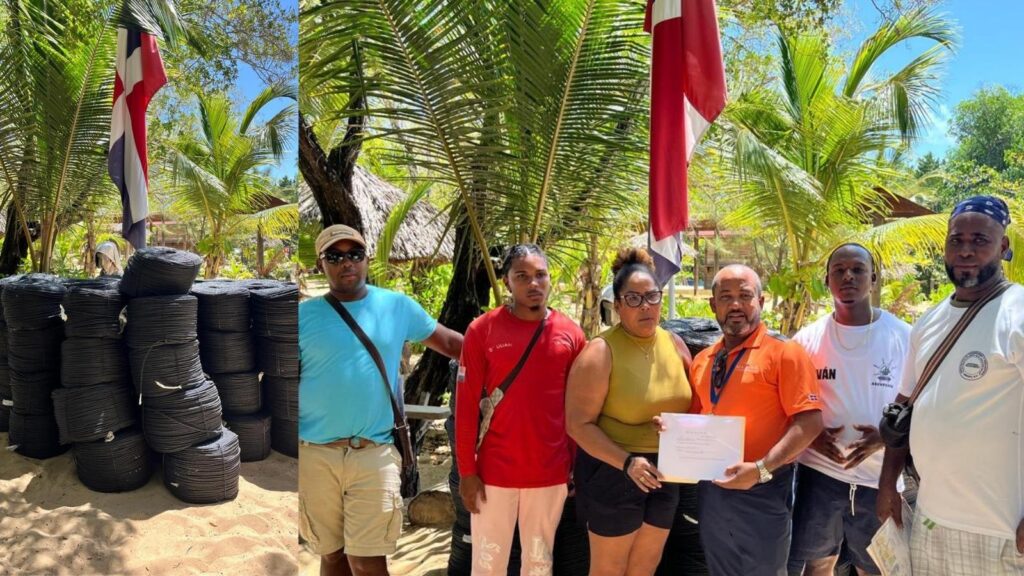
Each year, Marina Cap Cana donates rope to local fishing communities for Fish Aggregating Devices, commonly known as FADs. Fishermen position these devices offshore along the Dominican coast.
What happens beneath the surface?
Fishermen anchor FADs in deep water, where the structures create gathering points for pelagic marine life. Over time, smaller organisms and baitfish gather around them. This activity attracts larger species such as tuna, mahi-mahi, wahoo, and billfish.
Throughout the Caribbean, FADs have become an important resource for small-scale fishing communities. They provide access to productive offshore waters. As a result, they help support families whose livelihoods depend on the day’s catch. They also contribute to fishing grounds that welcome recreational anglers from around the world.
However, keeping FADs in place requires considerable work.
These devices can sit in thousands of feet of water and need substantial lengths of durable rope. Local fishermen build, deploy, monitor, and repair the FADs they rely on. In addition, currents, saltwater, and changing weather conditions make maintenance an ongoing task.
This is where Marina Cap Cana contributes.
By donating rope each year, the marina helps local fishermen maintain essential offshore infrastructure. Although the contribution is practical, it also reflects a broader idea. Caring for these waters requires cooperation among everyone who benefits from them.
Responsible fishing in Cap Cana: a shared effort
Responsible sportfishing goes beyond what happens at the end of the line.
For example, releasing billfish allows them to continue populating these waters. Supporting the communities that have fished here for generations is equally important. Moreover, healthy fishing grounds require investment, thoughtful management, cooperation, and respect.
Maintaining them carries a real cost. Boats need fuel, while fishermen must replace equipment and give FADs constant attention. Behind every productive day offshore are people who dedicate time and resources to keeping these fishing grounds active.
Marina Cap Cana’s annual donation forms part of that collective effort.
Local fishermen head offshore to bring home the day’s catch. Meanwhile, anglers travel thousands of miles for the thrill of releasing a blue marlin. Both groups depend on the same waters.
Ultimately, caring for their future also means supporting people and communities with deep ties to the sea.