

How much can the permitting process influence the pace of an investment? In real estate projects, reducing approval times, eliminating redundancies, and establishing clear rules can have a direct impact on the country’s competitiveness.
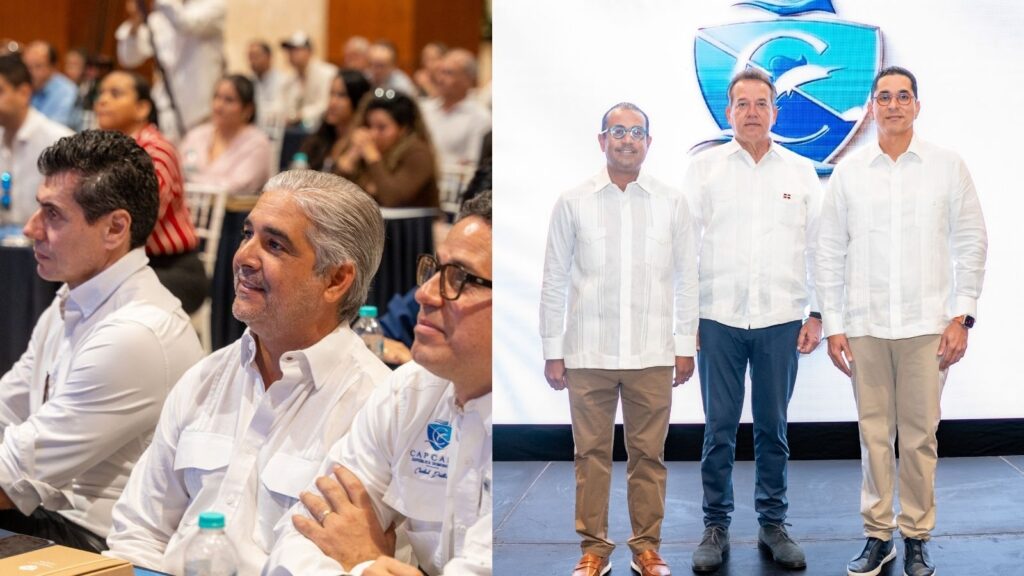
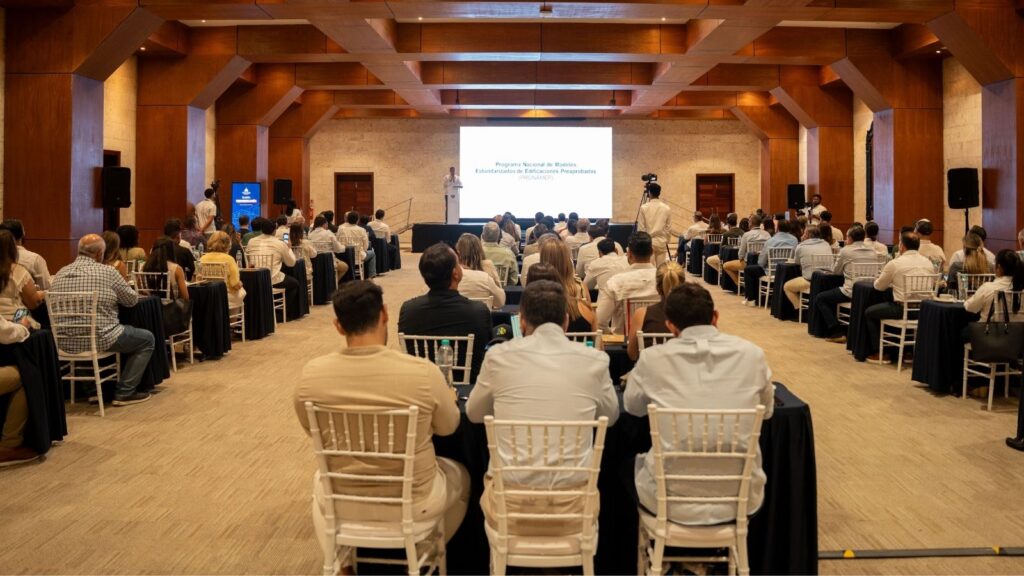
That was the starting point for “Towards Efficient Permitting: Challenges and Solutions,” a discussion organized by Cap Cana Ciudad Destino together with the Ministry of Housing, Habitat and Buildings (MIVHED).
The event brought together government officials, developers, investors, and representatives from the construction sector. The conversation focused on the challenges facing real estate project approval processes in the Dominican Republic. It also offered insight into some of the transformations already underway.
More than digitizing permits
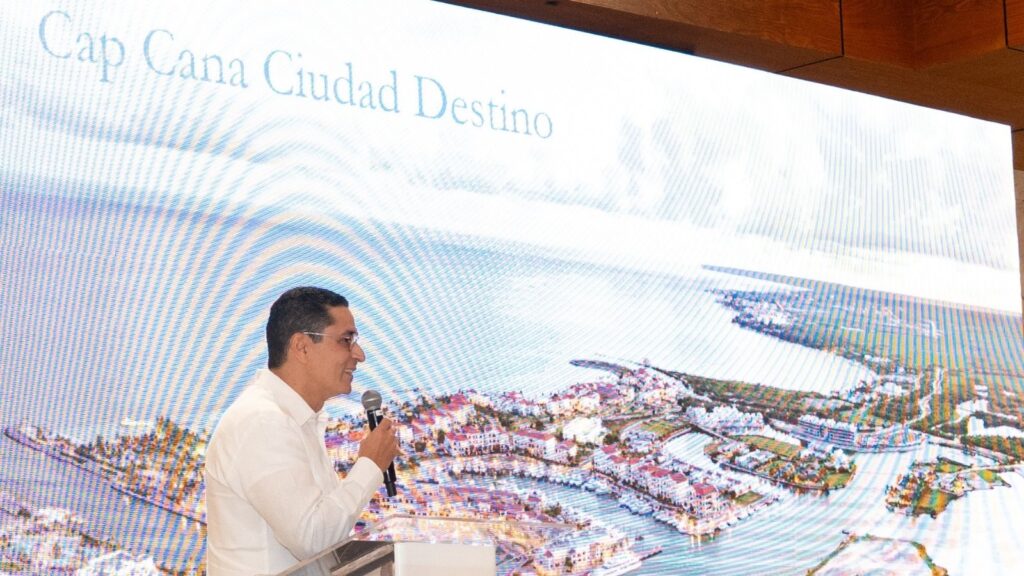
During the event, Minister Víctor “Ito” Bisonó explained that the process being led by MIVHED goes beyond simply moving procedures to a digital platform.
The transformation includes a broader review of existing procedures in collaboration with industry associations and other stakeholders. Its goals include reducing response times, eliminating duplicate processes, and increasing transparency.
At the same time, it seeks to provide greater legal certainty without compromising the technical rigor required to evaluate each project.
These changes are particularly relevant for a sector that represents one of the engines of the Dominican economy. More efficient processes can facilitate new investments, support job creation, and improve the country’s competitiveness.
The numbers behind the transformation
The figures shared during the discussion help illustrate the current level of activity in the sector.
During the first half of 2026, MIVHED issued 921 construction permits. This represents an 83% increase compared with the same period of the previous year.
According to the minister, these permits enabled private investment projects worth more than RD$330 billion to move forward.
MIVHED is also working on a new national construction permitting platform. The tool aims to integrate processes, simplify procedures, and provide users with greater visibility throughout each stage.
Tourism developments were another topic addressed during the event. The ministry is working with tourism project managers and developers to identify opportunities for improvement. The goal is to adapt permitting processes to the specific characteristics of these projects.
Dialogue between regulators and developers
Beyond technology, the event highlighted the importance of maintaining an open dialogue between the public and private sectors.
For Jorge Subero Medina, executive president of Cap Cana, sustainable growth also depends on efficient institutions and clear rules.
“Major development projects require efficient institutions and permanent spaces for dialogue. This discussion represents an opportunity to continue building bridges between the public and private sectors, convinced that collaboration is the path to promoting orderly and sustainable growth in the Dominican Republic,” he said.
Subero also highlighted the role of transparency and planning in building confidence among those who choose to invest in the country.
“Investor confidence is built on transparent processes, planning, and institutional collaboration. Continuing to strengthen the permitting process means making the country more competitive, attracting new investment, and creating more development opportunities for everyone,” he concluded.
The beginning of a broader agenda
The meeting with MIVHED will not be an isolated initiative. Cap Cana sees this discussion as the beginning of a broader public-private dialogue with different government institutions.
The initiative seeks to bring together public-sector decision-makers and those driving projects and investments. It also opens the door to exchanging experiences and finding solutions to the challenges of urban growth and sustainable development.
In this context, making the permitting process more efficient has implications that go beyond reducing approval times. Clearer and more agile processes can strengthen investor confidence, support job creation, and facilitate better-planned projects.
For Cap Cana, opening this type of conversation also responds to a broader reality: growth requires infrastructure and planning, but it also requires institutions capable of evolving at the same pace.
Ultimately, the conversation about permits is also a conversation about how and at what pace we want to continue developing the Dominican Republic.