

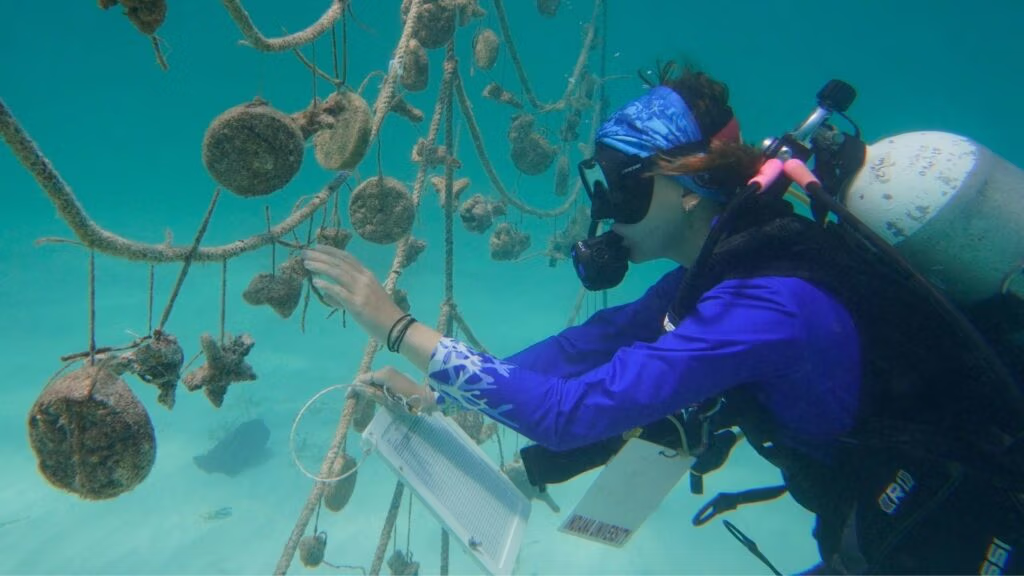
Coral reef restoration requires time, research, and ongoing monitoring. With this in mind, Fundación Cap Cana carried out its 2026 Elkhorn coral spawning monitoring sessions. The initiative focused on observing coral reproduction and collecting reproductive material for further development at the foundation’s marine laboratory.
During the first session, the team recorded a mass spawning event. As a result, researchers obtained new coral larvae and later introduced them into the underwater nursery off Juanillo Beach.
Coral reef restoration
Fundación Cap Cana launched its reef restoration program in 2020 with the installation of a coral nursery off Juanillo Beach.
Since then, the project has focused on restoring Cap Cana’s marine ecosystems. Its efforts include propagating two critically endangered species: Staghorn coral (Acropora cervicornis) and Elkhorn coral (Acropora palmata).
To support their recovery, the team uses coral gardening and assisted fertilization techniques. These methods combine underwater restoration with laboratory care.
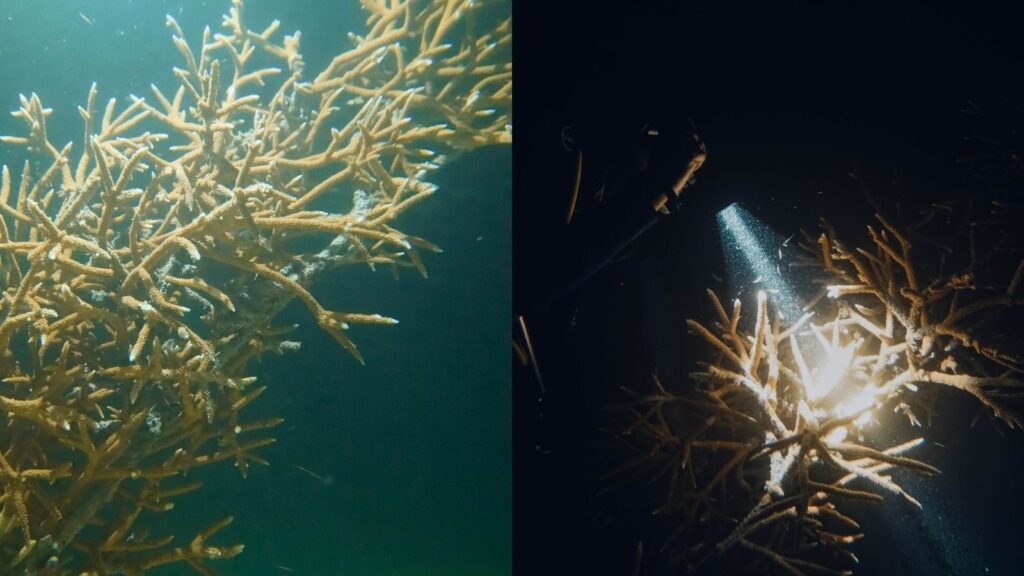
Why Is coral spawning important?
Every year, between August and September, these coral species enter an important stage of their reproductive cycle.
During spawning, corals release eggs and sperm into the water. This process allows genetic material from different colonies to combine. As a result, it increases genetic diversity and helps corals become more resilient to climate and environmental changes.
For this reason, monitoring Elkhorn coral spawning plays an important role in reef restoration. It helps researchers understand reproductive patterns and collect gametes for assisted fertilization.
Two monitoring sessions in 2026
To schedule the dives, the team followed the 2026 Coral Spawning Prediction Calendar for the Dominican Republic. The Dominican Foundation for Marine Studies (FUNDEMAR) developed this calendar.
The first monitoring session took place from September 1 to 4. Meanwhile, the second ran from September 28 to October 5.
Although the restoration program includes two coral species, this year’s monitoring focused exclusively on Elkhorn coral.
The team aimed to identify when the nursery colonies released their gametes. In addition, researchers planned to collect eggs and sperm for assisted fertilization. They would then care for the resulting larvae at Fundación Cap Cana’s marine laboratory.
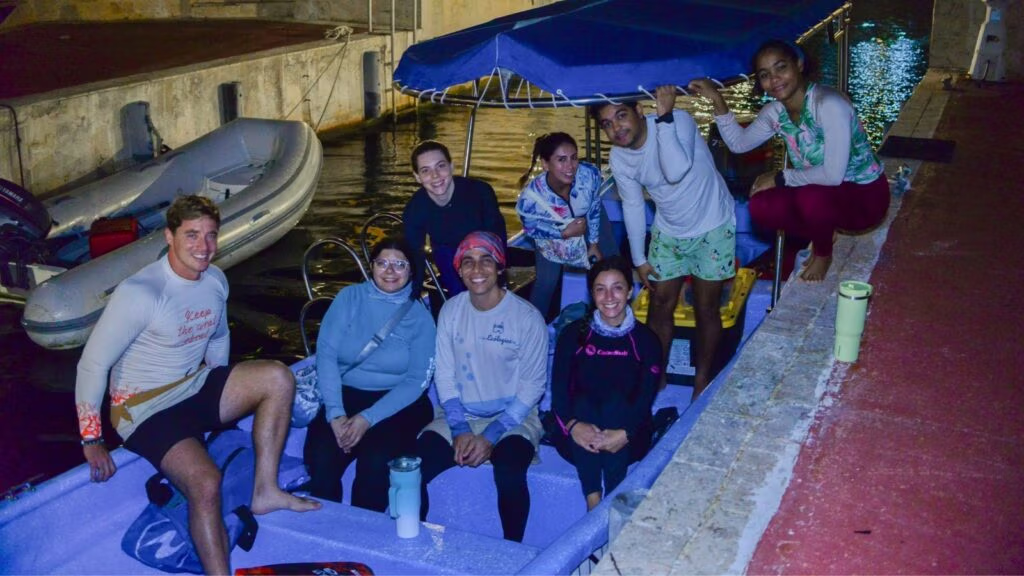
Ten participants, including two international interns, joined the monitoring sessions. Each night, they completed dives lasting approximately 90 minutes.
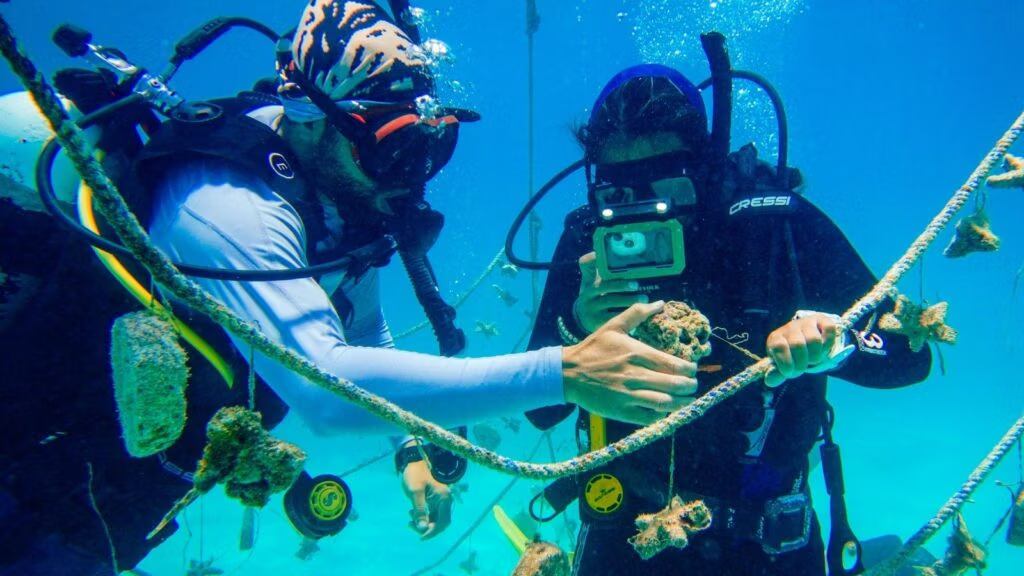
The team divided the monitoring area into three zones. Each group observed specific coral colonies and looked for signs of spawning. When a colony released its gametes, participants placed specialized collection nets over it to capture the eggs and sperm.
The results
During the first September session, the team observed two Elkhorn coral colonies spawning. The following night, an even larger event took place. Numerous colonies released their gametes at the same time, creating a mass spawning event.
The team then transferred the collected reproductive material to Fundación Cap Cana’s marine laboratory. There, the fertilized eggs developed into larvae. Once the larvae settled onto their respective substrates, the team returned them to the underwater nursery off Juanillo Beach.